
-
Rust Hacks & Cheats — Aimbot, ESP, No Recoil, Radar, DMA & HWID
Private Rust cheats tuned for the post-culling EAC stack: aimbot with entropy-aware input, ESP that handles the culled-player blindspot, per-weapon no recoil, radar, DMA builds, and HWID reentry.
-
Featured Products
-
-
Rust Cheats & Hacks for the Post-Culling Wipe Cycle
One second of Rust ends a week of it — a roof camper you never saw, a flank you walked into blind, and the hours you poured into that base are gone. That is what every cheat storefront sells against, all reciting the same three words: undetected, safe, dominate.
Here is what they leave out. Rust force-wipes the first Thursday of every month and ships an anti-cheat pass in the same window — so on a stack where server-side culling starves your ESP and EAC grades how you play, not just what you inject, half of what is sold barely survives a wipe. We ran every category below on disposable accounts and graded each by what it actually buys before a ban wave ends it. Nothing here is permanently undetected — this is the toolkit that holds up on the current build: aimbot, ESP, no-recoil, radar, DMA, HWID.

Rust Hacks — The Full Toolkit for a Culled, Behavior-Scored Server
Three layers sit between you and an unfair fight: the EAC kernel driver scanning your local process, culling deciding which enemies your client is even told about, and the behavioral check scoring your inputs against a human envelope. No single feature beats all three. So read each tool below as a wager on time — how many wipes it buys, tuned for a culled, behavior-scored server on the current build.
- Rust aimbot — entropy-aware bone-lock that reads as a clean spray, not a snap
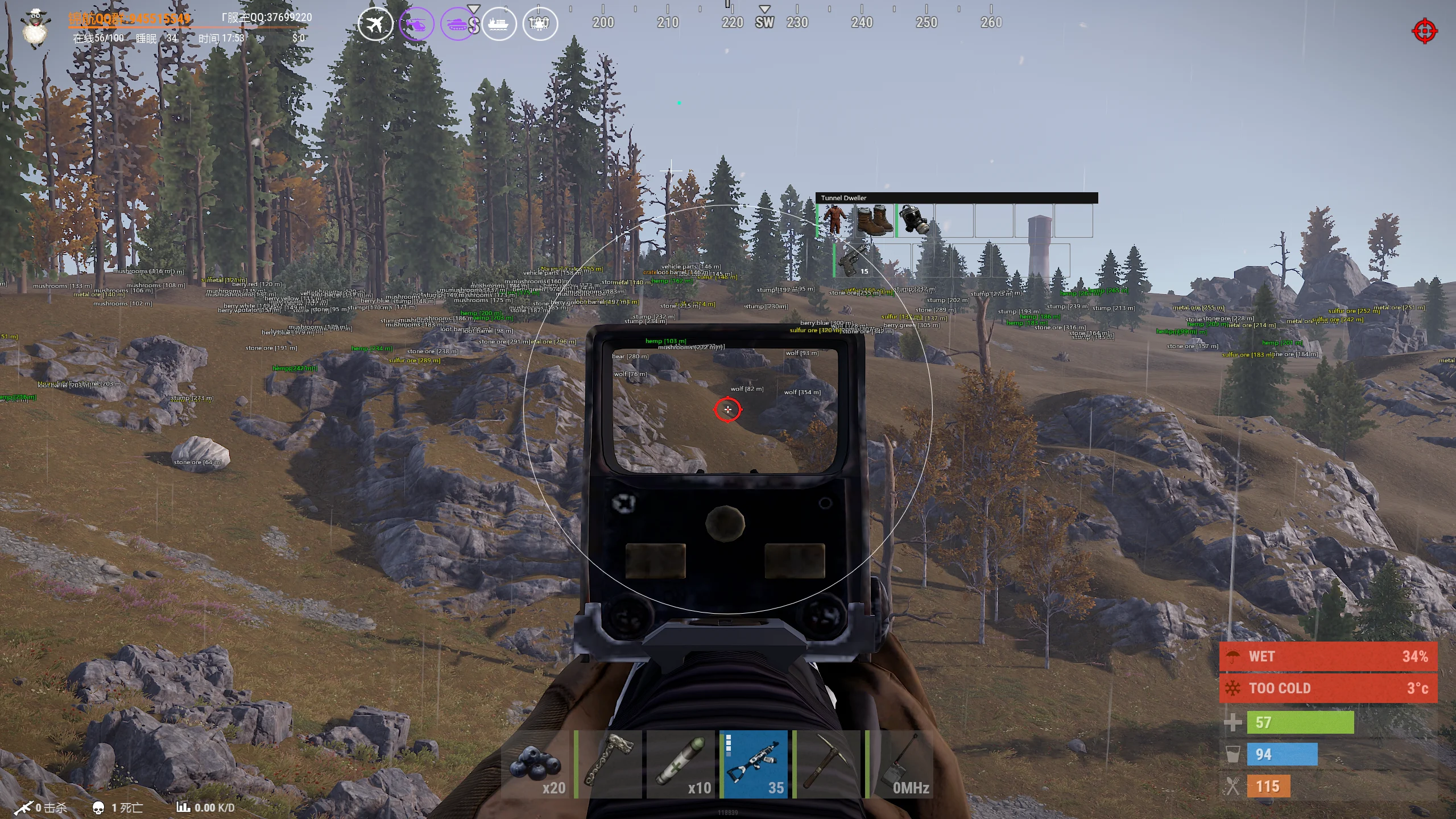
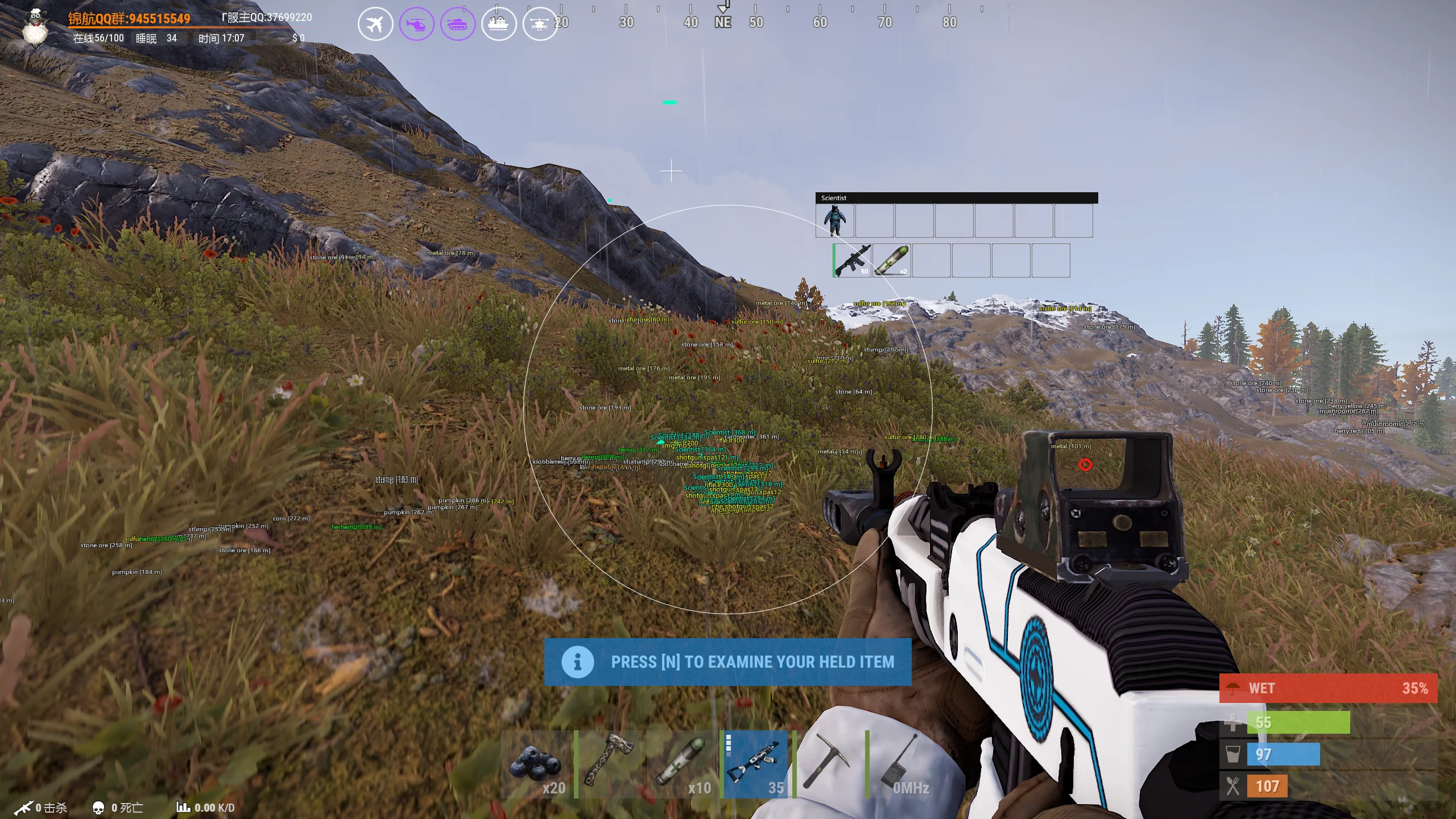
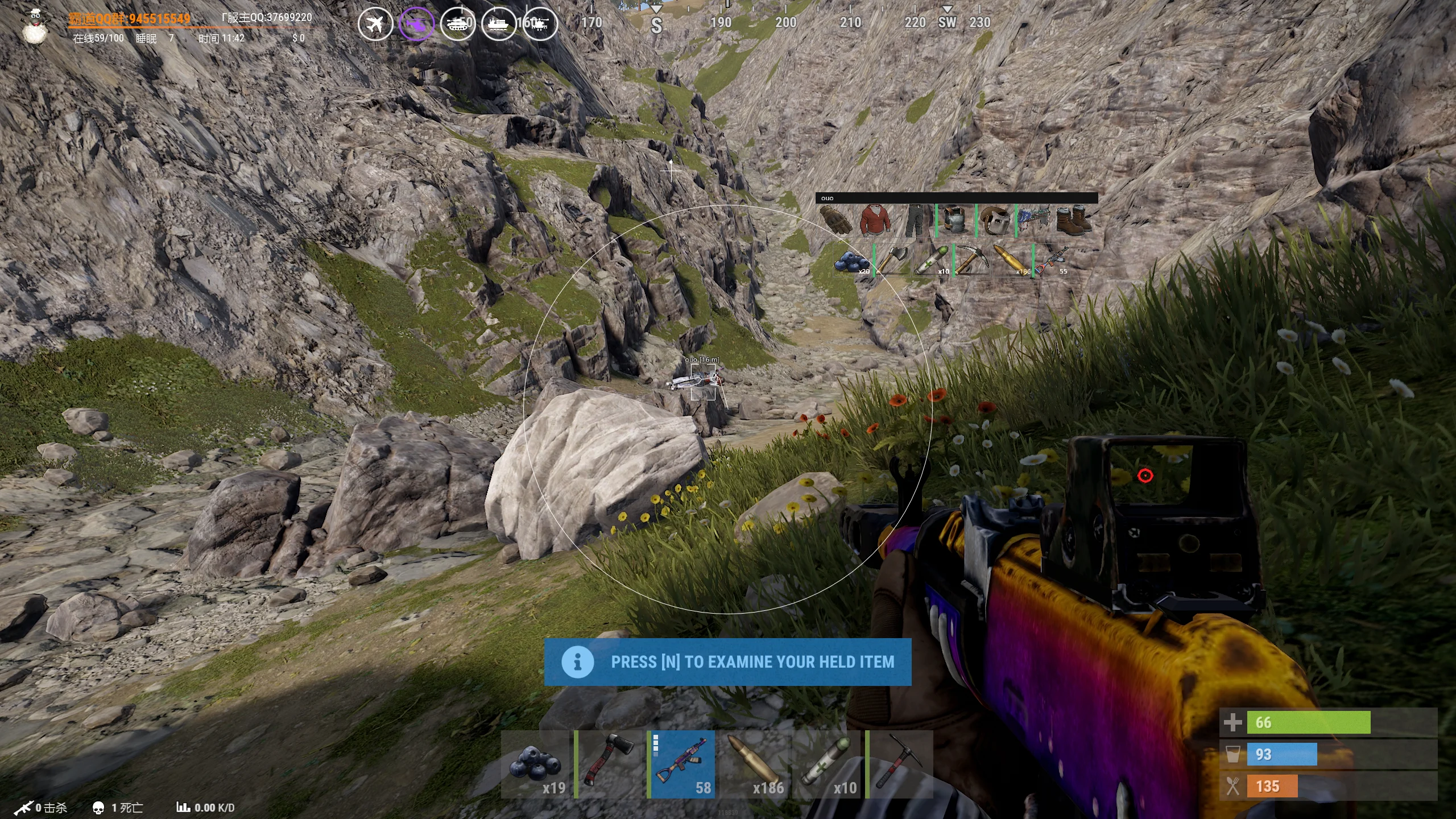
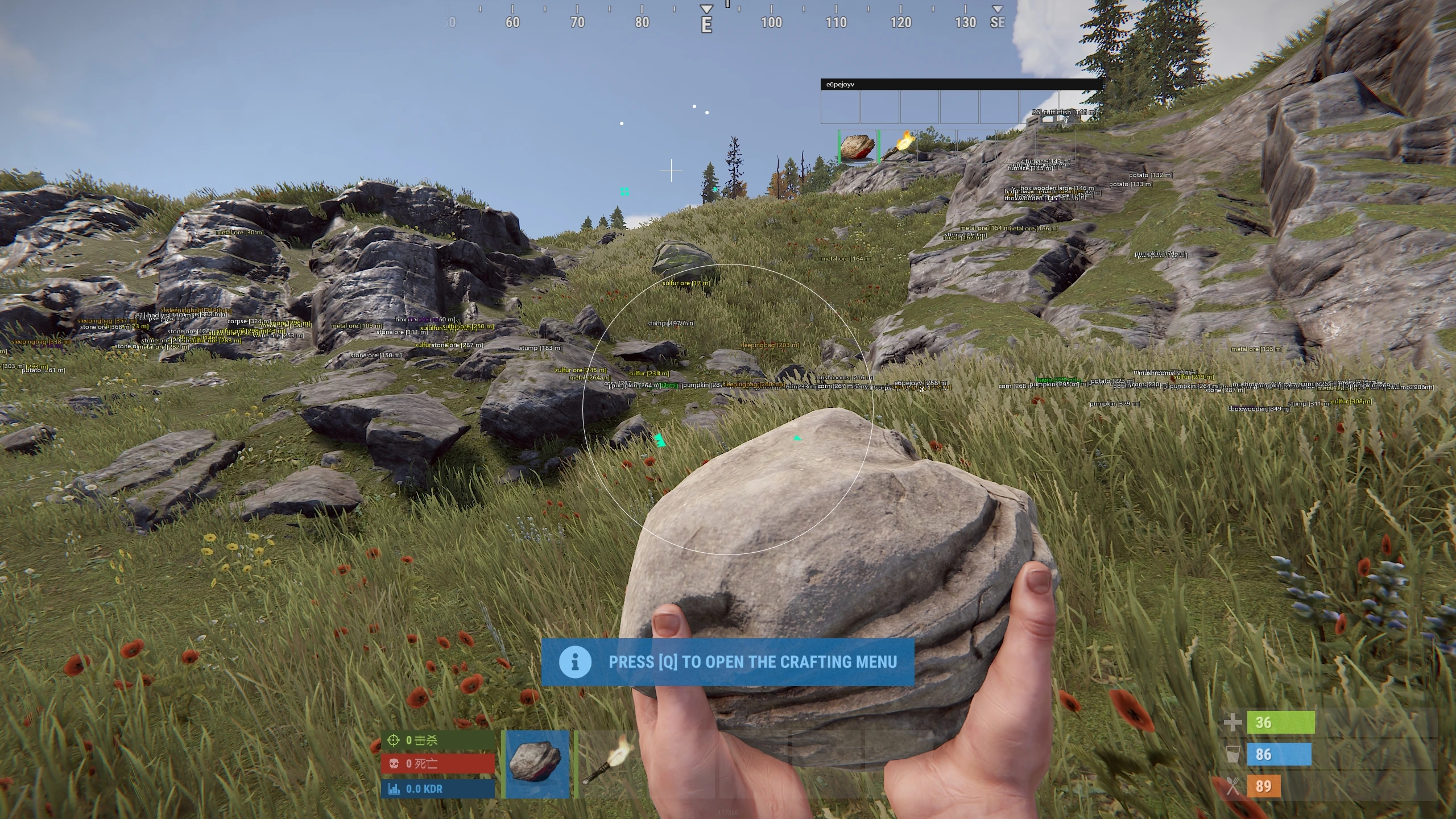
- Rust ESP & wallhack — culling-aware boxes for players, loot, and resource nodes
- Rust no recoil script & macro — per-weapon mouse paths kept inside the human-input envelope
- Rust radar — a top-down read on the players culling hides from a wall ESP
- Rust DMA cheats & hacks — the second-PC hardware route past the kernel driver
- Rust HWID spoofer — the way back in after a hardware ban
Rust Aimbot — AK Spray Control and Bolt-Action Flicks
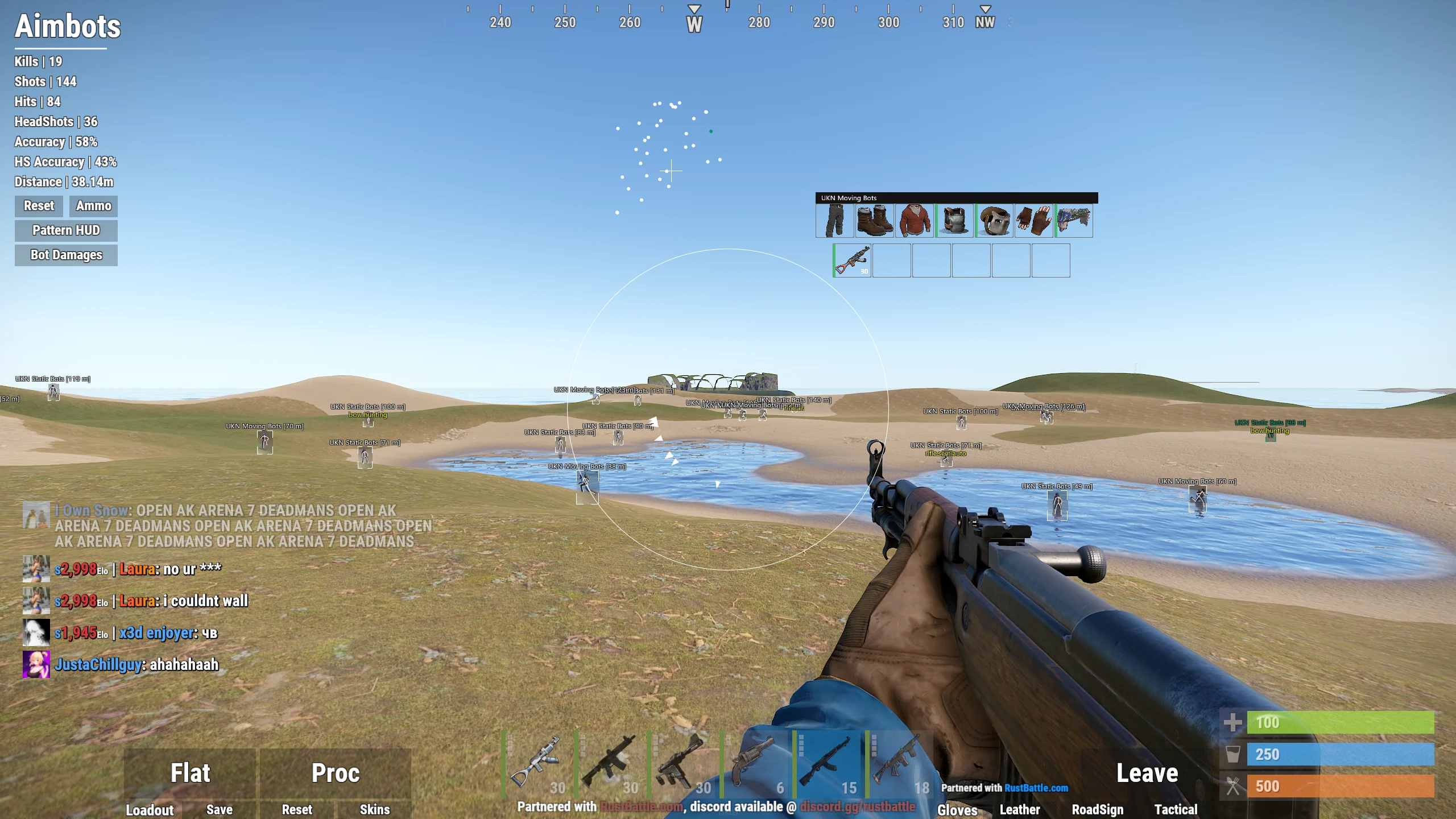
A Rust aimbot is bone-lock targeting tuned to the game's weapon recoil curves and post-culling hit registration. It smooths AK and LR-300 vertical pull and sharpens Bolt Action flicks without producing the mouse-input entropy EAC's recoil-script check flags on the current build.
- Bone-lock assist tuned to Rust's server-side hit registration, not a flat raycast
- AK recoil smoothing aware of the current spray curve, not a static template
- Bolt Action flick mode sampling at sub-EAC-entropy thresholds
The top of the Rust playerbase has memorized the AK and LR-300 recoil curves, so a clean spray already reads as skilled play — which is why DayZ's similar recoil-aware aim assist and a Rust aimbot both do less visible work than buyers expect. We ran the aimbot across a handful of disposable accounts as a suppressed correction curve. Bolt Action mode inverts the logic: it locks a single head-bone offset for the flick and releases, which is the right shape for Launch Site and Airfield sightlines.
Post-crackdown, entropy-aware input matters more than raw snap speed. A pre-crackdown aimbot that slams the reticle the same way every round produces a signature the behavioral layer fits a curve to; a Rust-tuned implementation varies reaction latency and releases before the kill. The AK's first few shots pull differently than the community recoil sheet, and an aimbot calibrated on the older sheet overshoots on those early shots. Our fix on the current build was a build-specific spray offset.
Aimbot Settings for Rust AK Spray
FOV slider and smoothing together decide whether the Rust AK setup reads as a script or a skilled spray. We ran FOV at 3°–5° with smoothing pushed to the top third on the AK, bone priority locked to upper-chest past 30 meters. Head-bone priority at distance fires the "too clean" flag fastest — repeated single-headshot kills at 60m with a Thompson or AK is the pattern the developer's review queue surfaces.
Bolt Action Flick Mode and FOV Sliders
Bolt Action flick mode runs a different algorithm than full-auto tracking. We tightened the lock window to roughly 120 milliseconds and opened FOV wider (10°–15°) because the flick starts off-target, with smoothing low. The right home is Launch Site and Airfield sightlines. The common config mistake is running Bolt Action mode with full-auto smoothing, producing a visible drag on the kill cam.
Rust ESP — Player, Loot, and Node Boxes After Culling
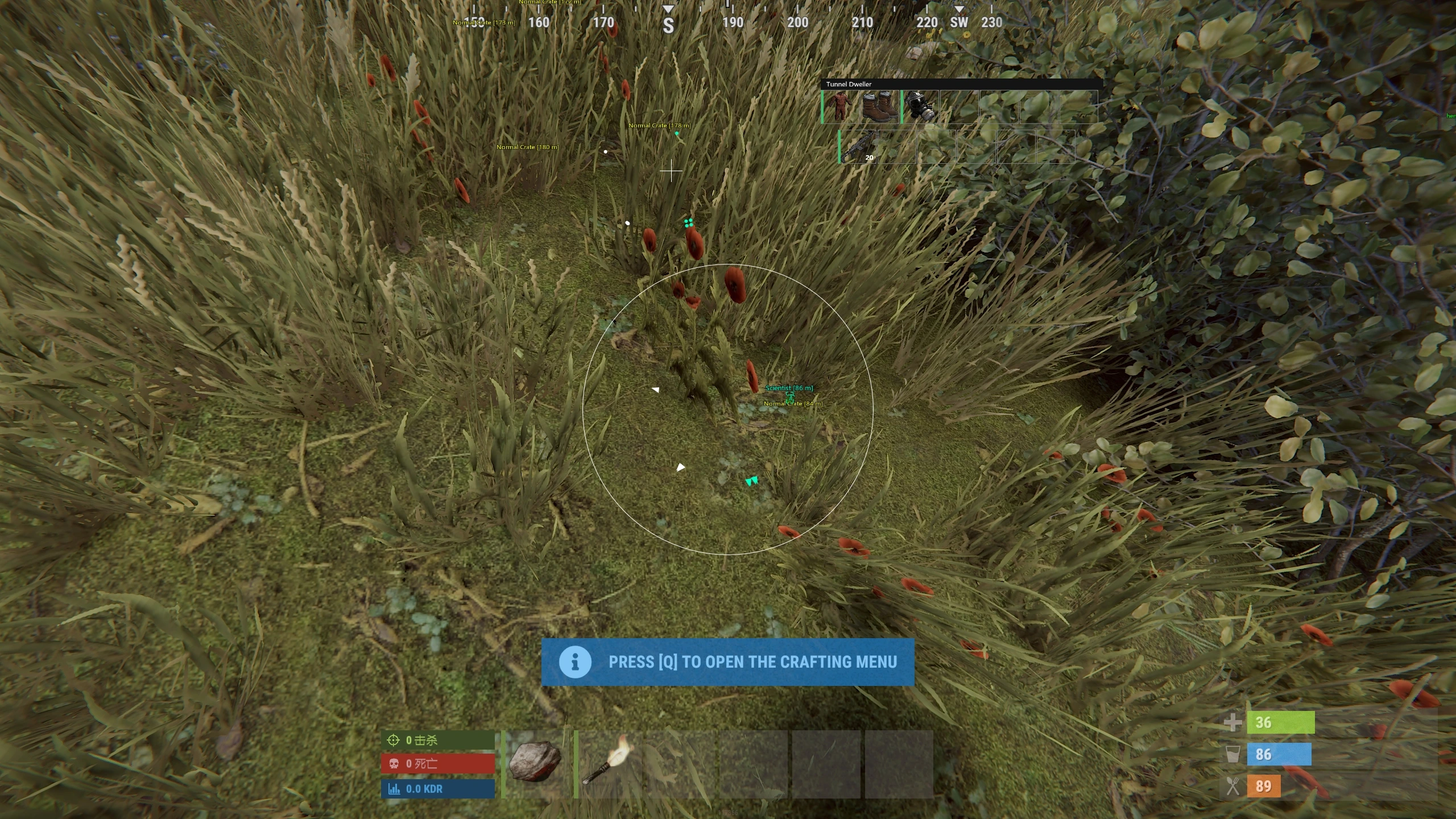
A Rust ESP draws labeled boxes for players, loot containers, and resource nodes with culling-aware filtering. Server-side culling no longer networks enemies your client can't actually see — anyone fully blocked by terrain or rocks simply isn't sent to you — so a naive wall-based ESP shows false-silent stretches a culling-aware implementation compensates for.
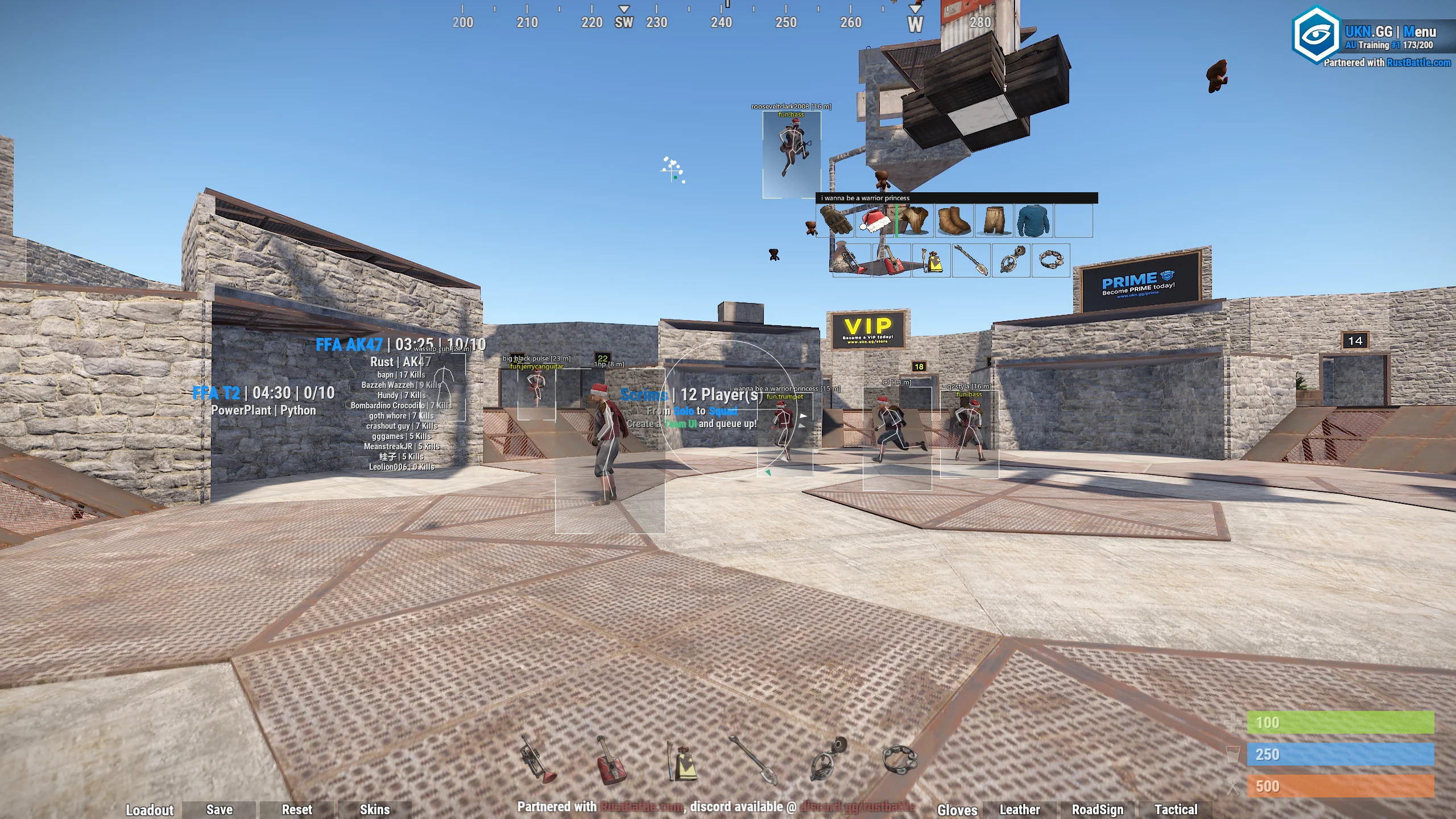
- Player boxes augmented with distance and held-weapon tags
- Loot boxes filter by tier: scrap, components, workbench-3 crafts
- Node boxes tag sulfur, stone, and metal ore by yield class
We tested the post-culling ESP job across wipes. A culling-aware Rust ESP compensates with a two-track model: live boxes for streamed players, last-seen ghost markers for those outside the networked bubble. That separates a current-stack Rust ESP from one ported from pre-culling code — the same problem Once Human's monument-routing ESP solves on a different map.
Force wipe on a Thursday runs a few rotations before the first rocket factory lands, and the ESP's job in that window is node and player overlap, not kill frames. A radar layer covers the culled players your ESP cannot see. On a 1440p 120 FOV setup, a full player + loot + node ESP pass costs a few frames, and dropping node ESP alone buys back most of them.
Rust Loot ESP — Tier Filter for Wipe-Day Crates
Loot ESP is most valuable inside the wipe-day rush, because every monument spawns the same crate layout and the first clan to hit it clean walks out with a workbench-3 kit. We ran "components and above" during the first 4 hours, then pinned the filter to "workbench-3 only" once the base had a Tool Cupboard.
Resource Node ESP — Sulfur and Metal Routing
Node ESP tags sulfur, stone, and metal by yield class through terrain, where the minimap's icons are unreliable. Sulfur matters most after day 3 of a wipe because it feeds the rocket and C4 economy. Our sulfur-phase setting is sulfur and high-quality metal on, stone off, distance cap 150 meters.
Rust No Recoil Script & Macro — Organic Mouse Paths After the Crackdown
Rust no recoil is per-weapon mouse-path compensation that matches the held weapon's spray curve — AK, LR-300, Thompson, M249, MP5A4, Custom SMG — with timing variance injected so the input stream stays inside the entropy envelope EAC's recoil-script detector scores as human. However you run it — a Rust no recoil script on a Logitech or Razer mouse, a standalone Rust macro, or a hardware board like a KMbox — the safety bar is identical: the curve has to look like a human pulling down, not a flat subtraction.
- Organic mouse-path no-recoil replaces flat macro subtraction
- Per-weapon curves: AK, LR-300, Thompson, M249, MP5A4, Custom SMG
- Variance injection keeps entropy inside the human-input window
The category renamed itself during the recoil-script crackdown because flat macro subtraction is the pattern EAC's behavioral layer fits a curve to. We ran an organic mouse-path implementation on disposable accounts this wipe that replaces flat subtraction with per-weapon spray-curve reproduction, frame-level timing variance, and small intentional overshoots a human produces under adrenaline — mirroring Tarkov's recoil-curve handling after BattlEye's behavioral tightening.
AK vs LR-300 No Recoil Curves
Rust's AK and LR-300 spray differently enough that a shared curve overcorrects on one and undercorrects on the other. The AK kicks harder vertically on shots 2–4 and drifts right past shot 10; the LR-300 has a milder opening kick but pulls left at the 15–20 shot range. We ran two calibrated curves against the developer's spray data, swapped per weapon held.
Why Variance Injection Now Matters
Variance injection is the biggest safety lever a modern Rust no-recoil has. The behavioral AC layer asks whether this input stream sits inside the distribution of human mouse streams for this weapon and range; a zero-variance curve produces a tight distribution the statistical check flags. A curve with injected frame-level jitter and occasional overcorrections sits inside the human envelope.
Rust Radar — Reading Roam Traffic Without Line of Sight
A Rust radar renders a top-down player map over the HUD, showing rough positions of players inside the networked bubble even when terrain, walls, or server-side culling would normally occlude them — useful for reading rotations around monuments and approaches to your base on the current build.
Radar does the work ESP cannot do after culling. A wall-based ESP shows only streamed players; radar renders the same stream top-down in a shape matching how Rust rotations get read. On a 300-pop official the useful radius tops out around 120 meters before friendly-player count clutters the readout, so we ran radius at 70m and tagged only armed players.
Radar Radius vs Server Pop Density
Radar radius is the single lever that separates useful from unreadable. A 200-meter radius on a 75-pop community server reads clean; the same radius on a 300-pop official force wipe is a screen full of dots. We calibrated against population, landing on 70 meters for official large servers.
Other Rust Features — and Which Actually Survive an Official Server
Every storefront lists a longer menu than aimbot, ESP, no-recoil and radar — silent aim, no-spread, instant eoka, auto-farm, fly. The honest question isn't whether a provider can toggle them in its mod menu; it's which ones survive an official EAC server and which only work on a modded box or flag you fast. Here is the split nobody selling them writes down.
Feature What it claims On an official EAC server Silent aim Bullets hit without the crosshair moving Works — but it's one of the loudest behavioral tells, a hit with no aim movement behind it, so it flags fast on a behavior-scored server No-spread Removes bullet spread, paired with no-recoil Works; low marginal risk on top of no-recoil, though zero spread is itself a non-human signal Instant eoka Strips the eoka's misfire delay Works — client-side timing, niche but Rust-specific Auto-farm / auto-gather Auto-collects wood, ore and loot Works as a software loop — but repetitive, inhuman input is exactly what gets clustered, and AFK farming draws admin attention Fly / spider / teleport / speed Movement hacks Mostly don't — Rust is server-authoritative, so the server rejects positions it never authorized; these only run on modded or admin servers Fullbright / debug cam Kills darkness / free-floating camera Work as client-side visual tweaks; low power, low risk The pattern is simple: features that only change what your own client does — no-spread, fullbright, an instant-eoka timing tweak — can run on an official server, while anything that asks the server to accept a position or state it never authorized (fly, teleport, item spawning, god mode) cannot. So if a listing promises spawned loot, god mode, or "unlock all skins" on an official server, it's describing a modded-server or admin-console power, not a cheat — Rust's skins live in the Steam economy, and entity spawning is something only a server owner can do.
Rust Cheats: External vs Internal vs DMA
Before you pick features, pick where the cheat runs — that single choice sets how much EAC can see. A Rust external cheat reads game memory as separate software on your gaming PC; a Rust internal cheat injects straight into the Rust process; a Rust DMA cheat moves the whole job onto a second PC that reads memory over a card. Each trades feature depth against detection exposure, and the right answer is a function of how many wipes you plan to play.
Type Where it runs Detection exposure Cost & setup Best for External Software on your gaming PC Behavioral layer — nothing injected, but EAC still watches the machine Lowest, instant Short horizons, testing a provider Internal Injected into the Rust process Highest — injection is what a kernel driver scans for Low, fast Max features, if you'll eat the risk DMA Second PC + PCIe card Lowest — nothing on your gaming PC to scan, but not immune (firmware race) Highest, real hardware Long horizons, surviving ban waves External is the cheapest way in and the easiest to walk away from, which is what makes a Rust external cheat the right tool for trying a provider through a single wipe. Everything it does still happens on the machine EAC's kernel driver watches, so an external lives or dies on the behavioral layer — a flat no-recoil curve or a too-clean snap flags the same whether the code sits inside the process or outside it.
Internal injects into the Rust process itself, which is why a Rust internal cheat is the most feature-complete and lowest-latency option on the menu — and also the highest-exposure one, because injection is the exact artifact a kernel anti-cheat is built to find. It's the pick for players who want everything and accept that an internal build leans hardest on its loader staying ahead of EAC.
DMA moves the cheat onto a second PC reading memory over a card, so there's nothing on your gaming PC for EAC to scan — peak durability across wipes. A Rust DMA cheat is not permanently undetected, though: firmware has to be matched to the current build, and a peripheral passthrough still has to keep the input human, or the behavioral layer flags the rig the same as anything else. Which way you go is a commitment-horizon call — a couple of wipes favors external, a long run pushes you to DMA, and the middle stretch is where the DMA market does its conversion work.
Rust DMA Cheats & Hacks — The Hardware Route for Serious Wipers
Rust DMA cheats and Rust DMA hacks are two names for the same hardware route: a second PC reads the game client's memory over a Direct Memory Access card, so EAC's kernel driver never sees anything because nothing the cheat does runs on the gaming machine. That second-PC angle is the whole point — the rig survives the kernel signature scan the same way no signature-clean external ever can, because there is nothing on the main PC to scan.
- Two-PC architecture: main PC runs Rust, second PC runs the cheat + DMA card
- EAC's kernel driver cannot see a DMA cheat because there is nothing to scan on the main PC
- Input path: physical mouse movement through the peripheral, not software injection
DMA is the shape the Rust cheat market takes once the buyer commits to wipe-over-wipe durability. On a DMA rig there is nothing on the main PC to scan — the cheat lives on a second PC reading memory over the card, and a peripheral passthrough routes aim corrections through the real mouse, so even the behavioral input layer sees a human hand. Which card, which firmware, and how the KMbox sits in the chain is its own decision — we keep the parts list in our guide to Rust-compatible DMA cards and hardware.
A mid-range DMA build is a weekend project for a first-timer, and firmware matching to the current Rust build is the painful part, not the wiring. Our DMA test rig has gone through a handful of firmware rolls this wipe, tracking EAC's client-side hash rather than the map wipe. The cost tradeoff sits roughly a couple of wipes out before it breaks even against external subscriptions plus disposable Steam replacements.
Rust HWID Spoofer — Reopening the Door After an EAC Force Ban
A Rust HWID spoofer randomizes the hardware identifiers EAC reads at boot, swapping in fake values for the disk serial, MAC, and motherboard UUID EAC blacklisted. It is the only path back into Rust after a hardware ban short of physically swapping parts.
- EAC bans target three identifiers: disk serial, MAC, motherboard UUID
- Load order matters: spoofer before EAC driver, or the fake IDs never land
- HWID ban is permanent — no automatic expiration, no appeal path
EAC offers no appeal and no auto-expiration, and the ban persists across new Steam accounts because it is keyed to three identifiers EAC reads at boot. A Rust-compatible HWID spoofer intercepts those reads at kernel level before the EAC driver loads.
The spoofed-and-reentered accounts we ran on our disposable Steam pool typically lasted about a wipe before the risk profile caught up. The spoofer reopens the door, but it does not reset that underlying risk profile — the same play patterns that got the old account flagged feed the same review queue on the new one.
HWID Ban vs Account Ban — What EAC Actually Checks
Account bans and HWID bans are different enforcement layers. An account ban blocks the Steam account only, while an HWID ban blocks the hardware itself regardless of Steam account. The developer issues both on the same pipeline, with HWID escalation reserved for repeat offense or high-confidence review-queue clusters.
Getting Set Up on Rust — Loader, Vanilla vs Premium, First Wipe
Setting up a Rust cheat is a 3-step path: loader install before EAC, a Vanilla-or-Premium server-tier choice, and a cold first-wipe run that sets the account's behavioral baseline.
Load order is the most common setup failure we see in support tickets. The loader has to start before the EAC driver, or the cheat's kernel-level hooks never land. Official Vanilla is the default target, because Premium Servers run the same AC stack with tighter behavioral thresholds — a config that passes Vanilla can eat a ban on Premium inside a single wipe.
Cold-account first-wipe behavior is where most Rust buyer decisions get made. A fresh Steam account on a fresh Rust install has no activity history — the behavioral layer has nothing to cluster it with, but the first suspicious signal gets weighted heavily. We ran first-wipes observe-only across our disposable accounts, letting each build a normal shape over the first couple of days.
Vanilla vs Premium Servers — Which Tier to Test On
Premium Servers share Vanilla's detection stack but run lower thresholds, without adding new data sources. The default test flow is Vanilla-first, Premium-second, with a config-tightening pass between them.
Cold-Account First-Wipe Checklist
Cold-account first-wipe on Rust is 3 items: loader before EAC at every launch, a feature ramp that goes farm-ESP-first and combat-features-last, and a couple of days of normal activity before any aggressive combat. Breaking any of the 3 is the biggest churn driver we see in support tickets.
Can You Cheat on Console Rust? (Xbox, PlayStation, and Cronus Zen)
PC aimbot and ESP cheats don't work on Rust Console Edition. They run by reading the game's memory on an open PC, and Xbox and PlayStation are closed platforms that don't allow it — which is why "Rust console cheats" sold as downloads are almost always a scam. Console Rust also runs its own anti-cheat, RustGuard, which escalates from a short first ban to a permanent one on repeat offenses.
The one real hardware angle is a device like a Cronus Zen or XIM, which sits between your controller and console to script recoil or add aim assist. It isn't a Rust cheat in the aimbot/ESP sense, and it carries its own ban risk — anti-cheats increasingly fingerprint the input pattern these devices produce, so a Zen is a flag waiting to happen, not a safe loophole. If you're on console, the honest answer is that the toolkit on this page is PC-only.
Rust Cheats FAQ
Will I get banned for using a Rust cheat, and how fast does it happen?
There is a real ban risk, and the timing is the part most buyers get wrong — EAC almost never bans you in the match. Easy Anti-Cheat runs at the kernel level as Rust's main line of defense and leans heavily on behavioral signals: it scores how you aim, how your recoil flattens, and how consistent your inputs are, then feeds anything suspicious into a delayed review queue. The developer clears that queue in periodic batch ban waves rather than one-by-one in real time, which is why an account can look fine for a while and then get caught alongside thousands of others at once. The studio has permanently banned well over a million accounts since Rust's Early Access launch, so the platform does act — it just acts in bulk. What you can actually control is staying off the obvious behavioral tripwires and protecting your hardware fingerprint, because EAC bans the machine (motherboard, disk, MAC, SMBIOS), not just the login. A clean HWID spoofer that loads before the EAC driver is the difference between losing one account and losing your ability to play on that PC at all; load order is the whole game.
Are Rust cheats actually undetected, and how do they get past EAC?
No cheat is permanently undetected, so treat "undetected" as a status to monitor, not a guarantee to buy on — it means current against the live EAC build and can change the next time EAC updates. Because EAC is a kernel-level anti-cheat, it sees more of your system than a normal program: it scans the memory regions a software cheat has to touch and scores in-game behavior such as flick consistency and recoil correction. That behavioral layer is why a pure software cheat can get flagged even when the loader hides cleanly — the timing of your shots gives it away, not just a file on disk. So getting "past" EAC really comes down to two things: a loader that hides its memory footprint and updates faster than EAC ships changes, plus aim settings tuned to look human rather than mechanically perfect. A maintained, frequently updated cheat stays ahead of detection most of the time, and the honest framing is that it stays current rather than stays safe forever.
Do Rust cheats still work after the monthly force wipe and game updates?
The monthly force wipe and a Rust client update are two different events, and only one of them touches your cheat. The force wipe — the first Thursday of the month — resets the map and your blueprints; it does not affect whether a cheat loads, so you log in after a wipe and keep playing as normal on a clean server. The client update is the one that matters: when the developer ships a patch, the memory offsets the cheat reads can shift, and the cheat usually needs a re-update before it is safe to inject. A reputable provider turns those updates around quickly and marks the product as updating until the new build is verified. So the practical answer is that cheats keep working across wipes and survive updates — with short pauses each patch while the build catches up, which is exactly why a fast update cadence is the thing worth checking before you buy.
What do you actually get with a Rust cheat, and which feature helps the most?
The standard kit is aimbot, ESP (player and item boxes), no-recoil, and radar — but in Rust the features that change the most fights are usually ESP and no-recoil, not aimbot. ESP for spotting raiders, loot, and resources is the day-to-day workhorse, though it is worth knowing EAC defaults to server-side culling that hides far-off players until they are nearby — so ESP shows you who the server has already sent, not the whole map. No-recoil flattens Rust's punishing spray patterns and cleans up every gunfight, while radar gives the same threat awareness in a smaller on-screen footprint. Aimbot is the most raw-power feature, but it is also the easiest for EAC's behavioral layer to flag, so smoothing and FOV settings matter more than the lock itself. For most buyers the practical priority is ESP and no-recoil first, with aimbot dialed down to stay human-looking — which feature leads depends on whether you are farming, raiding, or fighting.
How much do Rust cheats cost, and what platform do I need?
Pricing scales with the type: a software external is the cheapest tier, and a DMA hardware setup sits well above it because you are paying for the second-PC approach, not just a subscription. Subscriptions usually run by duration (day, week, month), so the cheapest real test is a short term on an external before you commit to a longer plan or a hardware build. On platform, you need Rust on PC through Steam — EAC only protects the Windows/Steam version, so that is the only platform these cheats target. Console Rust runs a separate anti-cheat, RustGuard, and is not supported, which is also why usable "Rust console cheats" largely do not exist — see the console section above for Cronus Zen and the honest answer there.
Can I use Rust cheats on official, Premium, and community servers?
Yes on all three, but the entry requirements differ and that is what trips people up. Official and standard servers run plain EAC, so a current, updated cheat is the only requirement and standard detection risk applies. Premium servers add a gate that has nothing to do with the cheat: your Rust Steam inventory needs to be valued at $15 or more to connect, so budget for that on top of your subscription. Community servers are the variable ones — many run normal EAC, but some opt into stricter hardware checks like Secure Boot and TPM 2.0, which raises the bar and is where a hardware-based setup starts to matter, and an active admin watching the server is a layer no cheat controls for. The rule of thumb: official and Premium behave predictably, community servers vary case by case — check a server's join requirements before you assume an external will load.
Is a DMA cheat safer than an external, and do I need special hardware?
A DMA cheat generally carries a lower detection profile than a software external, but it is not magically safe and it costs more to set up. DMA uses a second PC with a PCIe card that reads your gaming PC's memory directly over the bus, so the cheat code never runs on the machine EAC is watching — that is what sidesteps the kernel-level memory scan. It does not, however, dodge the behavioral layer: aim that snaps inhumanly still feeds EAC's review queue regardless of where the cheat lives. So yes, you need extra hardware — a second machine and the card — which is the real reason DMA sits at a higher price tier than an external. If you are weighing external versus DMA, the deciding factors are budget and how much detection risk you want to engineer out; our DMA cards, fuser and KMBox hardware guide walks through what an actual build needs before you buy.



-
-
Total Members 5,752
-
Most Online 149
-
Newest Member damonljames

-
-
Reviews
-

By nineyt. · Posted
I've had a great experience not only with jjboy, but burger themselves. They have great staff that get back to you on time, and solve pretty much any issue you end up running into. -

By 10_jacob_01 · Posted
Howdy! I've been purchasing products from Burger cheats since 2025 and they've had the best ranges of selection for multiple products! Next cheat full and Lite (EFT) - major fan! honestly one of the best I've used and it has the features for pvp and pve, some tailored for those pve mains like myself, customizable UI, very modular and super user friendly, absolutely would recommend it to others! Collapse (EFT) - Great all around and it's nice and very straight forward, I do enjoy the UI of this one Ancient (EFT) - A good beginner one for people just getting into EFT cheesing. and lastly Vortex (War Thunder) - This has been my go too every time I want to just go ham in war thunder, I absolutely love it! Overall with burgercheats they've provided such clear fool proof instructions I simply cannot thank them enough, as they were my first service provider and will always be my go to service provider via myself or recommending to others! - A very happy Customer!! -

By sieto215 · Posted
I’ve had a really good experience with the service so far. The website is easy to use, everything is well organized, and the AI assistant is surprisingly helpful and actually gives useful answers. What impressed me most was the support. Whenever I had a question or needed help, I got a proper response instead of just a generic answer. The support was friendly, helpful, and really tried to solve the issue. Overall, I’m very satisfied with the website, the tools, the AI assistant, and especially the customer support. Definitely a very positive experience and something I would recommend. -

By EnteMitTalente · Posted
great product, paypal purchase went flawless with fast response and @admin helped me solve my tech issues -

By _swappy · Posted
I have gotten one of the best marketplace experience here. I personally have bought apex legends cheat here several times already and have recommended a few of my friends as well. In my personal opinion it is the best marketplace in this domain as of right now.
-