
-
World War 3 Cheats & Hacks — Undetected EAC Bypass with Aimbot, ESP & No Recoil
Leopard 2 rolling through the Reichstag plaza while AP rounds punch through Level IV steel plates. World War 3 hacks with aimbot, full ESP, wallhack & no recoil — undetected cheats with EAC kernel bypass.
-
Featured Products
-
-
Ten Maps, Three Ammo Types, and Gunplay That Outlasted Three Studios
World War 3 has survived The Farm 51's insolvency, MY.GAMES' monetization overhaul, and a full ownership transfer to Wishlist Games. Built on Unreal Engine 4 with a weapon customization system that runs deeper than any Battlefield title — five functional attachment slots per weapon, three ammunition types that interact differently with NIJ-rated armor plates, and a damage model where Steel IV chest plates absorb 75% of incoming rounds but leave the groin, arms, and stomach completely exposed. The MSBS Grot fires 5.56 NATO through a Trijicon red dot at 90 meters before damage drops off. The AK-15 with AP penetrates every armor tier through center-mass. The Beryl 762 weighs only four loadout blocks, leaving room for an RPG-7 in the same kit.
Tactical Ops runs 20v20 across photorealistic Warsaw, Berlin, Moscow, and Tokyo with Leopard 2s, T-72s, and artillery strikes earned through Battle Points. EAC loads a kernel driver on every session — Ring 0 access, memory scanning, HWID fingerprinting. For anyone running World War 3 hacks in a game where the gunplay has outlasted every studio that touched it, this guide covers how each feature interacts with the weapon customization depth, the three-ammo ballistic system, and an anti-cheat that still updates its signature database regardless of player count.

World War 3 Aimbot — AP to the Chest, HP to the Groin, FMJ for Everything Else
Berlin's Reichstag sector, 180 meters across the plaza. Two players push from the parking structure — one in Heavy Steel IV armor absorbing 75% of incoming damage to the chest, the other running Light HDPE at 25% absorption with a SIG MPX. Your AK-15 is loaded with AP at 40% penetration efficiency. Three rounds to the Heavy's chest plate drop him through Level IV steel. The Light player strafes behind a concrete pillar at a speed your manual tracking can't match on a 60 Hz server tick. The aimbot resolves the second engagement — bone lock shifts to center-mass, AP punches through the HDPE plate in two hits, and the fight that should have lasted four seconds ends in under two.
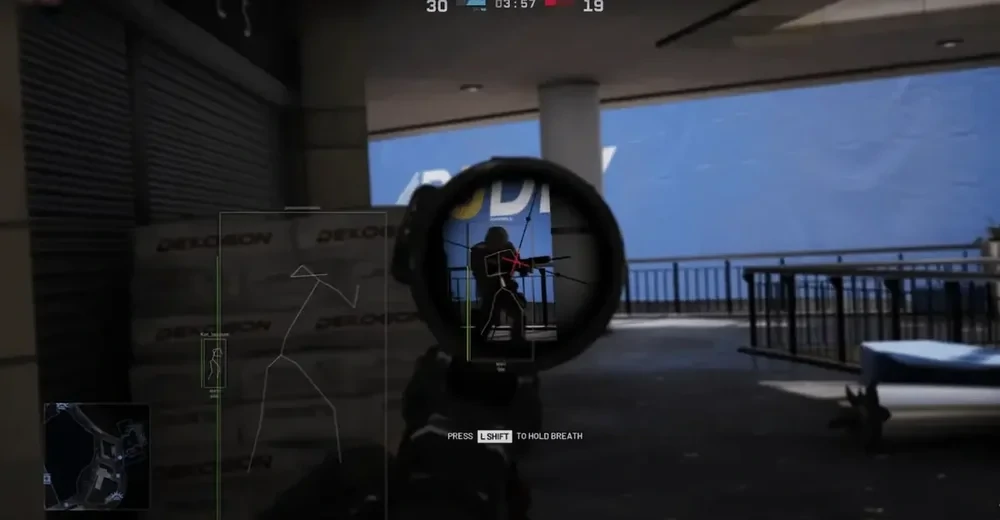
World War 3 aimbot locks onto targets with adjustable FOV, bone selection, and smooth aim calibrated to UE4's hit registration system. The aimbot reads the loaded ammunition type — FMJ at 20% armor penetration, AP at 40%, or HP with zero effective penetration but +20% flesh damage — and shifts bone targeting accordingly. AP locks center-mass to defeat chest plates. HP targets the unarmored groin, arms, and stomach where flesh damage multipliers turn a SCAR-H into a two-hit kill. FMJ defaults to upper torso as a balanced compromise.
World War 3 Aimbot Settings — Tactical Ops vs TDM Range Profiles
World War 3 aimbot settings shift fundamentally between the two active modes. Tactical Ops on Warsaw and Moscow plays at 80–300 meter engagement distances with Leopard 2s crossing sightlines and Hellfire missile strikes reshaping cover. Wide FOV at 60–90° catches flankers pushing through smoke while the Beryl 762's full-auto spray walks into targets at medium range. The Tochnost bolt-action zeroed at 250 meters requires the aimbot to compensate for bullet drop that the game's ballistic engine calculates per caliber — 7.62×54R drops differently than 5.56 NATO at identical distances.
TDM on Shibuya and Gobi Temple compresses everything to 15–60 meters. Tight FOV at 20–40° prevents cross-target snapping in corridors where three enemies share the same 10-meter hallway. The SIG MPX dominates Gobi Temple's dust-choked interiors. The community calls it the best CQB weapon in the game, and at these distances the aimbot's value shifts from ballistic compensation to reaction speed — acquiring targets faster than human input can track a strafe at point-blank range. In a genre where Battlefield 2042's combined-arms lobbies are the closest comparison, WW3's mode split demands two completely different targeting configurations.
Beryl 762 AP vs SCAR-H HP — How Ammo Type Rewrites Bone Targeting
The Beryl 762 fires 7.62×39mm with AP rounds that penetrate at 40% efficiency against every armor tier. Bone lock on chest is the default — three rounds through Steel IV at any range the weapon reaches. The Alpha AK fires AP exclusively by default, removing the ammo-switching decision entirely. Switch to the SCAR-H with Hollow Point and the math inverts. HP delivers +20% base damage to flesh but penetrates armor at only 10% — nearly useless against chest plates. The aimbot shifts bone targeting to the groin, arms, and stomach automatically when HP is loaded, exploiting the body zones that WW3's plate-carrier model leaves completely unprotected. A SCAR-H HP hitting the groin deals 80–95 damage per round. Two hits. Fight over.
World War 3 ESP — Tracking 40 Players, 6 Vehicles, and Every Strike Inbound
Moscow's Tactical Ops layout stretches from metro tunnels at 30-meter CQB to the open Kremlin parade ground at 280 meters. Half the enemy team is prone behind erector-launchers with the Tochnost zeroed at 250. The other half are crewing a T-72 that just rolled past Lenin's Mausoleum toward point B1. A Hellfire missile strike is 3 seconds from impact on your squad's position. None of this is visible from your current angle behind a government building. The only information you have is the kill feed and the sound of a 125mm cannon firing somewhere to the northeast.
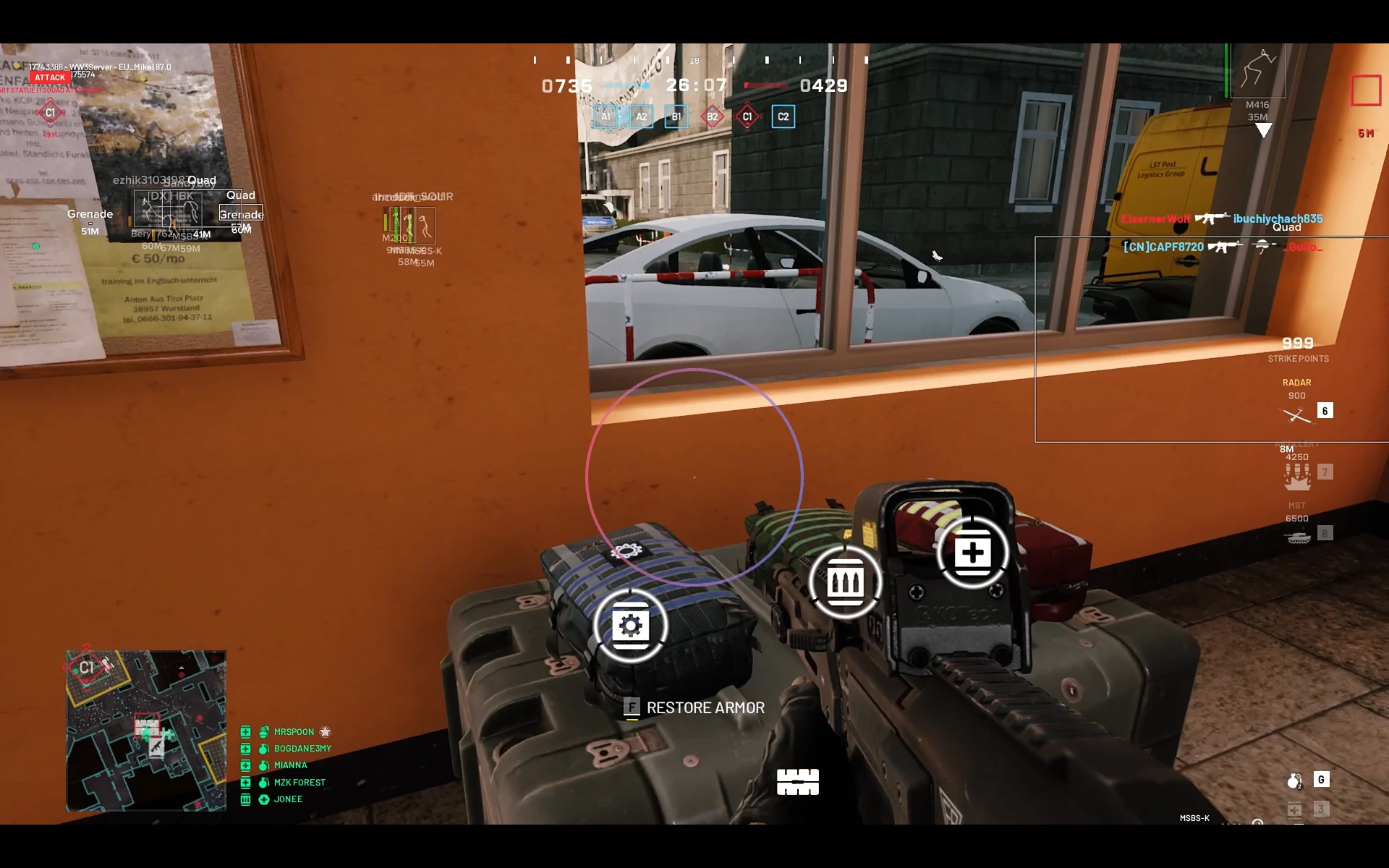
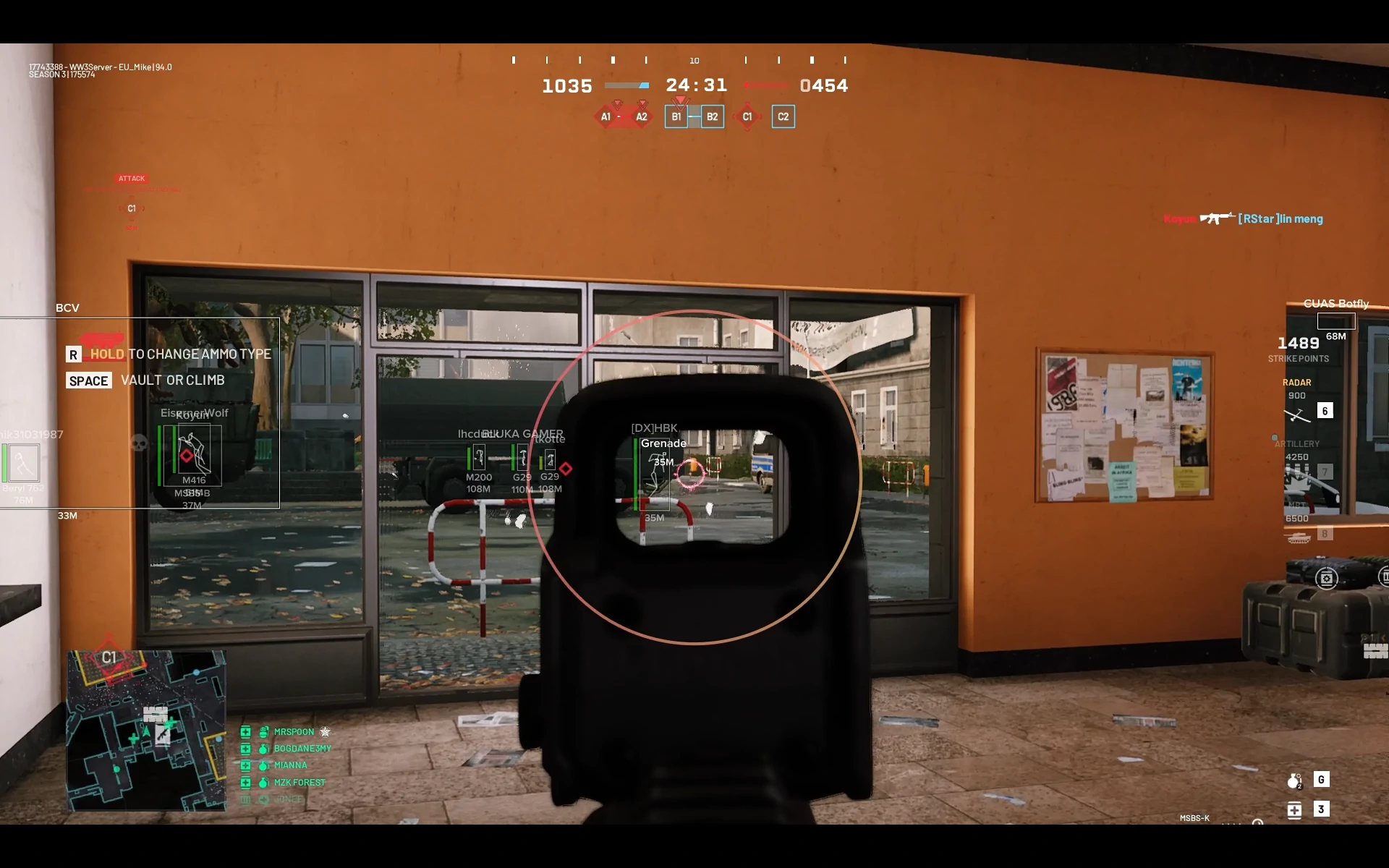
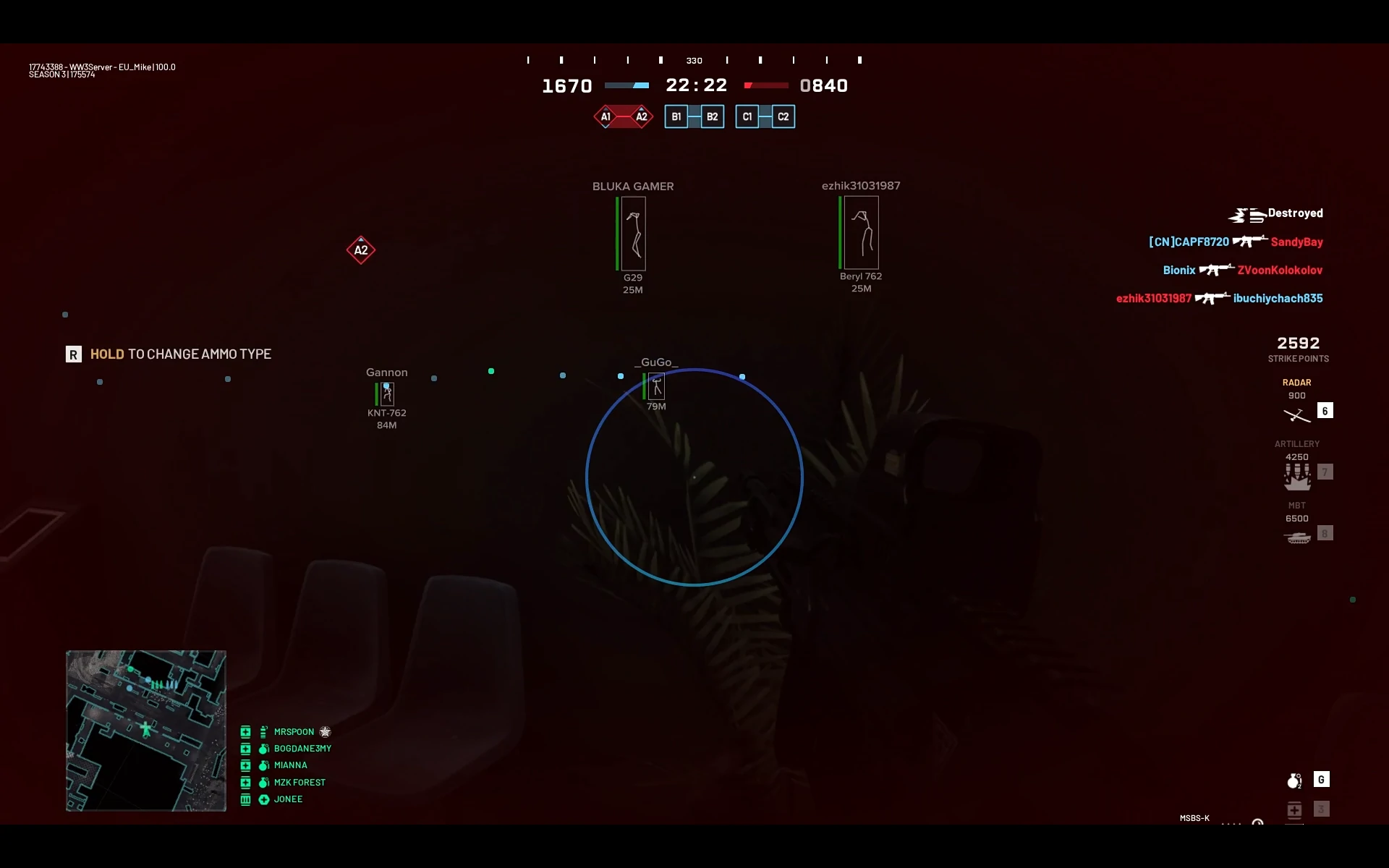
Twenty players per side with up to six vehicles, armed drones, and artillery strikes active simultaneously — WW3 ESP overlays every player position, occupied vehicle with driver and gunner tags, incoming strike markers, active UAV positions, and squadmate locations through walls and terrain at full render distance. Distance readouts calculate whether a contact at 220 meters is in SCAR-H effective range or Tochnost territory. Armor tier indicators show whether the target is running HDPE at 25% absorption or Steel IV at 75% — information that dictates whether AP or HP is the correct ammo choice before you break cover.
Vehicle and Strike Tracking on the Battlefield
Vehicle ESP renders occupied MBTs, IFVs, and armed drones through structures with crew tags visible. The Ajax IFV's 90mm main gun one-shots infantry and competes with tanks at a fraction of the Battle Points cost — the community considers it the most overpowered vehicle in the game. Knowing where an Ajax is positioned behind a building on Berlin gives your squad time to grab the RPG-7 with its tandem warhead option (hold R to switch ammunition) that defeats reactive armor and RPG nets. When either team hits 2,000 match points, both sides receive a free MBT reinforcement — ESP tracks where that tank spawns and which direction its turret is facing before the engine audio reaches earshot.
Strike tracking operates on the same overlay. A Stormbreaker anti-vehicle missile, a 30-shell High Explosive artillery barrage covering a 35-meter radius over 25 seconds, or a JDAM carpet bomb on a 10-second delay — each renders as an incoming marker with trajectory and splash zone. The Warmate loitering munition persists after the operator's death and chases down helicopter drones — knowing its patrol radius through ESP changes whether you hold position or reposition. Games with combined-arms complexity similar to Hell Let Loose's EAC-protected vehicle warfare and Insurgency Sandstorm's tactical infantry combat demand the same layered awareness.
WW3 ESP Stream Proof
WW3's tight-knit community means regulars recognize each other across sessions. A visible overlay in a clip that hits the Steam community hub is an instant report from someone who has been in your squad a dozen times. Stream-proof rendering isolates the ESP layer from capture software — OBS, Streamlabs, and Discord screen share show clean gameplay while distance markers, armor tier indicators, and vehicle tags stay visible on your monitor.
World War 3 Hacks — How EAC Runs Kernel-Level on Every Session
EAC loads a kernel driver when WW3 launches. Ring 0 access — the same privilege level as your GPU driver. The system monitors process memory at runtime, flags injection signatures against a server-side database that updates independently of game patches, and fingerprints your hardware on every session start. It unloads when you close the game. It does not persist at boot like Riot's Vanguard. But while running, it has deeper system access than anything else on your machine except the operating system itself.
Bypassing EAC on WW3 requires satisfying the same kernel-level detection surface that protects Apex Legends and every other EAC-protected title — memory protection, signature matching, and hardware ID fingerprinting that persists across the entire EAC game portfolio. WW3 has no additional server-side detection layer, no replay system for manual review, and no dedicated anti-cheat team under current management. EAC is the sole enforcement mechanism, running identically regardless of lobby size.
The HWID Ban That Cascades Across Your Entire EAC Library
WW3 is free-to-play. A banned account costs nothing to replace — new Steam account, new download, back in queue. The hardware fingerprint is the real threat. EAC collects motherboard serials, MAC addresses, drive identifiers, and GPU signatures. A hardware ban on World War 3 propagates across every EAC-protected game sharing that HWID database. Your Rust hours, your Apex rank, your Fortnite inventory — all tied to the same hardware profile that EAC just flagged on a free-to-play military shooter.
WW3 has been through three development teams and two publishers. EAC's signature database does not care about any of that. It updates on its own schedule, flags the same injection patterns it flags in Fortnite, and issues HWID bans that carry the same cross-game weight as a detection in any other title. The spoofer initializes before EAC's kernel driver loads, presenting clean hardware identifiers that the database has never seen. Your Rust account stays intact. The $0 WW3 ban costs exactly $0 and nothing else.
World War 3 Wallhack — Warsaw's Metro Tunnels to Moscow's Open Plaza
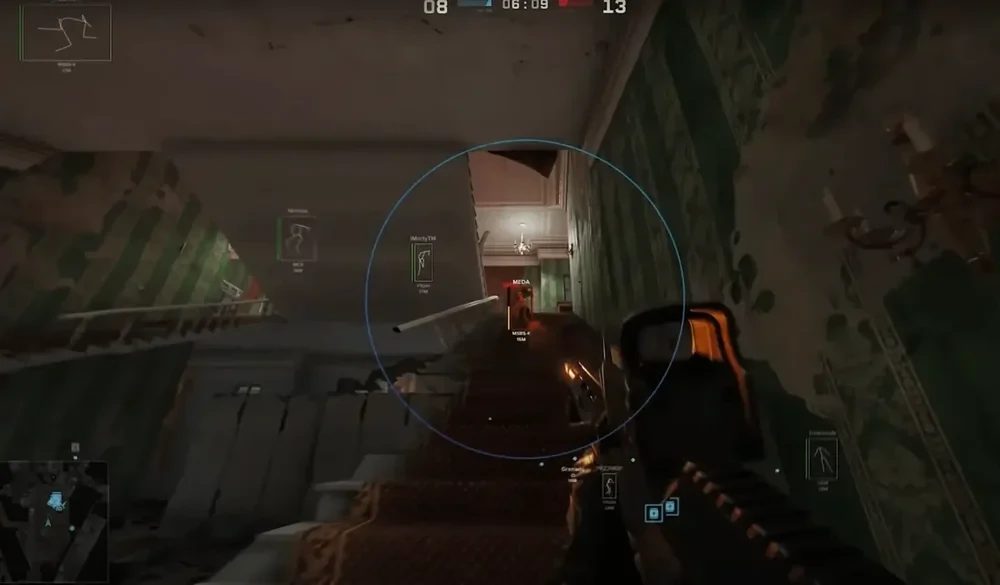
World War 3 wallhack renders player models, occupied vehicles, and deployable equipment through walls, floors, and terrain geometry across every map from Warsaw to Tokyo. Entity filtering separates enemies from friendlies and tags armor tier on each target — critical information when the difference between a Steel IV heavy and an HDPE light determines whether your AP or HP magazine is the correct choice before you round the corner.
Tokyo's Tank-Proof Streets vs Warsaw's Shopping Mall CQB
Tokyo is the only Tactical Ops map where debris from initial attacks physically blocks tanks from advancing — the map channels combat into infantry-only corridors with mid-range shopping strips, narrow alleyways, and elevated sniper positions. Wallhack on Tokyo turns every alleyway corner from a coin flip into a calculated push. The player crouching behind the counter with a SIG MPX and HP ammo is visible through the wall at 15 meters — you know his position, his weapon, and that his armor won't stop AP before you commit to the engagement.
Warsaw plays differently. The Shopping Mall section used for TDM is a multi-level interior space where vertical fights dominate — players above and below on different floors, staircases covered by SA80 LMG bipod setups with 60-round drums. Wallhack cuts through the floor geometry and shows whether the footsteps above you are one player rotating or a full squad collapsing on your position. On Moscow's open Kremlin parade ground, the value shifts from corner-checking to sightline management — eight rooftop positions can hold a Tochnost sniper, and knowing which ones are occupied before crossing 280 meters of open ground changes the sprint from a gamble into a route. Equipment like this is what games with tactical realism similar to Squad's combined-arms vehicle warfare demand across open terrain.
Active Protection System Detection Through Walls
Every vehicle in WW3 equips one Active Protection System, and each APS creates a different vulnerability. A Leopard 2 running Hardkill intercepts RPG rockets but can't block C4 or AT mines. A T-72 with RCIED Jammer nullifies remote detonation but takes the RPG-7 tandem warhead full force. Radar APS hides heat signatures and redirects guided missiles but stops nothing kinetic. Wallhack with vehicle tagging shows which APS an enemy tank is running before your squad commits anti-armor resources — the difference between firing an RPG into a Hardkill interception field and flanking with C4 against a Jammer-equipped hull.
WW3 Hacks — Per-Weapon No Recoil From the Beryl's Vertical Climb to the SA80's Sustained Fire
The Beryl 762 and the M416 are both assault rifles. Their recoil patterns have nothing in common. The Beryl pulls hard vertical through the first six rounds of automatic fire — a pattern that the community accepts as the tradeoff for its 7.62×39mm stopping power at only four weight blocks. The M416 drifts laterally with controlled vertical climb — tighter groupings at baseline, which is why it sits at the top of every community tier list alongside the SCAR-H and the Alpha AK. Running identical no recoil values on both weapons is how EAC flags an account.
Per-weapon compensation curves calibrated to each gun's specific recoil signature — WW3 no recoil flattens automatic fire while preserving enough micro-movement in the aim path to stay within EAC's behavioral sampling window. The system reads the equipped weapon on spawn, loads the corresponding compensation profile, and adjusts intensity frame by frame as the recoil pattern develops through a magazine.
Compensation Thresholds by Weapon Class
The Beryl 762's vertical climb flattens at 70–80% compensation while preserving enough movement for EAC's pattern analysis. The M416 — tighter at baseline — tolerates only 40–45% before the spray pattern reads as non-human in replay data. The SA80/L85A2 with a 60-round drum magazine and bipod deployed is already the most controversial weapon in the game — community veterans call full-auto prone with this setup "almost cheating" without any software involved. Compensation at 30–40% on the SA80 is sufficient because the bipod already eliminates most vertical movement.
The SCAR-H fires 7.62 NATO with moderate predictable climb — 55–65% compensation handles it cleanly. The Tochnost bolt-action has minimal recoil between shots — compensation matters only for rapid follow-up shots at 25–35%. The SIG MPX's fast-cycling 9mm spray at CQB range on Gobi Temple or Shibuya tolerates 50–60% before statistical analysis isolates the pattern. Every weapon in WW3's roster needs its own threshold because EAC's behavioral baseline is weapon-specific — a flat spray from a Beryl at 80% is within expected variance, but the same flatness from an M416 is not.
Barrel Length and Suppressor Interactions
WW3's barrel system physically transforms weapons — the G36 with Compact Barrel becomes the G36C, Standard Barrel produces the G36KA4, and Long Barrel extends to the full-length G36. Each configuration has a different recoil fingerprint. The SA80 with LMG Barrel adds an integrated bipod that changes the entire compensation profile versus the same weapon with Compact Barrel. No recoil profiles load per barrel configuration, not just per weapon name. Suppressors add a layer — they eliminate muzzle flash and remove the shooter from the minimap without reducing damage, but they provide less recoil control than compensators or muzzle brakes. The compensation delta between a suppressed and unsuppressed Beryl 762 is roughly 8–12% — the system accounts for the attachment loadout, not just the base weapon.
WW3 Cheats — Staying Undetected After Three Publisher Transitions
You queue into a Tactical Ops lobby on Warsaw with a loadout built around the SCAR-H — Juno Grip, Long Barrel, Dual Role Scope at 3×–5×, AP ammunition, and Ceramic III plates. Four hours of unlock grinding funded that kit. EAC flags your session during the second capture phase. Account suspended. The free-to-play account itself costs nothing to replace. The hardware fingerprint behind it touches every EAC title you own — Rust, Apex Legends, Fortnite, Gray Zone Warfare, and every other game sharing the same HWID database.
Three studios, two publishers, and an anti-cheat that outlasted all of them — EAC's kernel driver inside WW3 reads the same hardware signatures, runs the same memory scans, and reports to the same server-side validation pipeline as it does in any other protected title. The spoofer generates rotated hardware identifiers before EAC initializes, masking the real profile with generated serials that the database has never flagged. The detection system does not distinguish between a game with peak concurrent in the tens of thousands and one measuring its playerbase in double digits. The scan runs identically.
Behavioral Calibration in a Tight-Knit Community
WW3's regulars recognize each other across sessions. Sudden performance spikes in a lobby where everyone knows your usual K/D ratio generate faster suspicion than they would in a Battlefield server with 64 strangers. No recoil thresholds need to match the weapon you're holding — a flat spray from a Beryl at 80% compensation reads as plausible, but the same flatness from an M416 triggers a manual report from the player who just watched the killcam. Aimbot smooth values need to stay above the threshold where snap-targeting looks mechanical on the replay. In a community this familiar, calibration is survival.
Setup runs through the standard process — verify compatibility on the status page, confirm EAC signature timing through Discord support, and load the spoofer before launching. Questions about WW3-specific configurations or weapon-profile tuning get answered fastest through the Discord channel.
World War 3 Hacks — FAQ
Does the aimbot account for WW3's three ammunition types — AP rounds bypass Steel IV plates differently than FMJ or HP?
The aimbot reads the loaded ammo type and shifts bone targeting accordingly. AP at 40% penetration efficiency locks center-mass to defeat chest plates up to Steel IV at 75% absorption. HP at +20% flesh damage but only 10% armor penetration shifts to unarmored body zones — groin, arms, stomach — where plates don't cover. FMJ at 20% penetration defaults to upper torso as a balanced compromise. Switching magazines mid-fight updates the bone lock priority automatically.
Can ESP show which APS an enemy Leopard 2 is running before my squad commits an RPG-7?
Vehicle ESP renders crew tags and equipment profiles on occupied vehicles. If the Leopard 2 is running Hardkill APS, your RPG-7 rocket gets intercepted — flank with C4 or AT mines instead. If it's running RCIED Jammer, the RPG-7 tandem warhead connects but remote-detonated explosives won't trigger. Radar APS redirects guided missiles but blocks nothing kinetic. The APS identification lets your squad choose the correct counter before wasting limited anti-armor resources.
I bought WW3 for $28 during Early Access and my account survived the F2P transition — does a ban erase the Veteran's Pack and all accumulated progression?
Yes. EAC bans are account-level and permanent regardless of purchase history. Veteran's Pack cosmetics, unlocked weapon attachments, accumulated Battle Points balance, and player level are lost with the account. The HWID fingerprint carries the larger risk — a hardware ban ties your motherboard, GPU, and drive serials to the EAC database across every protected title, not just WW3. The spoofer protects the hardware profile. The account itself is not recoverable once flagged.
The SA80 with 60-round drum and bipod already feels like cheating on full-auto — does no recoil even make a difference on this weapon?
The bipod eliminates most vertical climb, but lateral drift persists in sustained fire past round 15. Compensation at 30–40% on the SA80 tightens that lateral movement without producing the unnaturally flat spray that a higher value would create. The difference is visible at 150+ meters where bipod alone can't hold groupings — the magazine empties into a fist-sized cluster instead of a dinner plate. The weapon is already S-tier without tools. The tool closes the gap between "almost cheating" and consistent performance at range.
Tokyo blocks tanks with physical debris — does wallhack still track vehicle positions on that map?
Yes, but the vehicles you're tracking are different. Tokyo channels MBTs into restricted zones where debris stops forward progress, but Type XVI tank destroyers and IFVs can access more of the map. Wallhack renders these lighter vehicles through building geometry alongside infantry positions. The map-specific value is in tracking the Type XVI's turret angle through a shopping strip wall — it's the difference between walking into a 90mm cannon and flanking from the alleyway it can't rotate to cover.
WW3 has been through three studios — does EAC still update its detection database for a game with no active development team?
EAC's signature database updates on its own schedule, independent of the game developer's patch cadence. The database serves every EAC-protected title simultaneously — new injection signatures detected in Fortnite or Apex Legends propagate to WW3's scan within the same update cycle. Development silence from Wishlist Games does not slow or pause EAC's detection updates. The anti-cheat outlasts the developer.
World War 3 Cheats — Full Feature Breakdown
The next time a Tactical Ops lobby fills on Warsaw — AP loaded in the Beryl 762, the Leopard 2 reinforcement inbound at 2,000 points, and the Ajax IFV holding the plaza — every round should connect. Ammo-aware aimbot, full ESP with vehicle APS detection, wallhack across ten real-world maps, and per-weapon no recoil with barrel-specific compensation. The complete feature list and current EAC compatibility are on the BurgerCheats WW3 product page. Verify live EAC detection status before queuing.
-
-
Total Members 5,000
-
Most Online 39
-
Newest Member johseff.johseff

-
-
Reviews
-

By Discord Review · Posted
+rep @admin really fast support and noce cutom service the delivery speed was fast he helped me with the settings you need to change an do and that in 10 min thats crazy. -

-

By 3ttuu · Posted
My firmware is working perfectly thanks to the kind explanations and help from the Burger Cheat admin. They were always very friendly and responded quickly to customers. If you're considering a purchase, I highly recommend it -
By Discord Review · Posted
+REP. The response was fast, the explanations were kind, and they answered my questions sincerely and thoroughly. It was excellent. -

-